
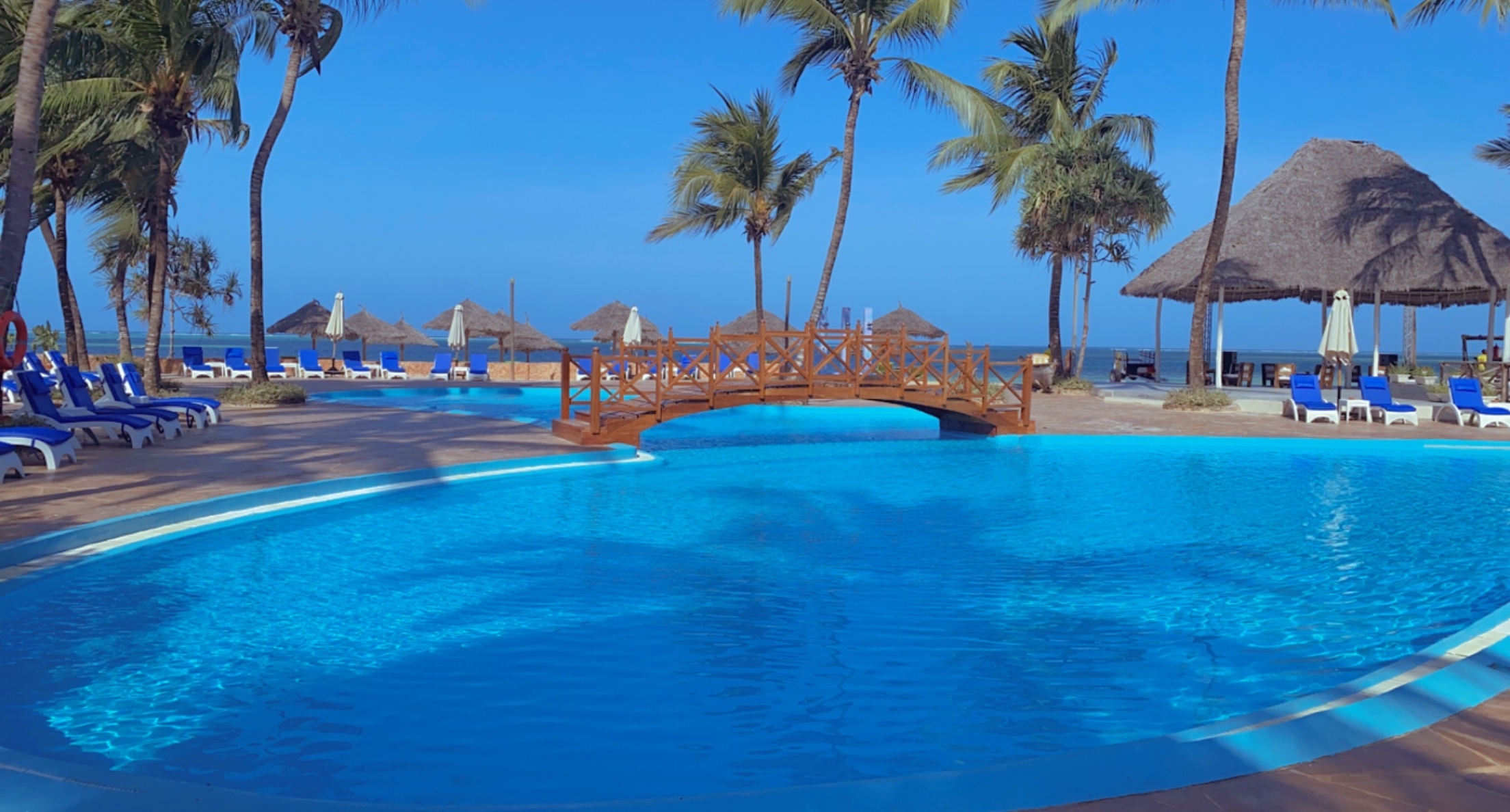
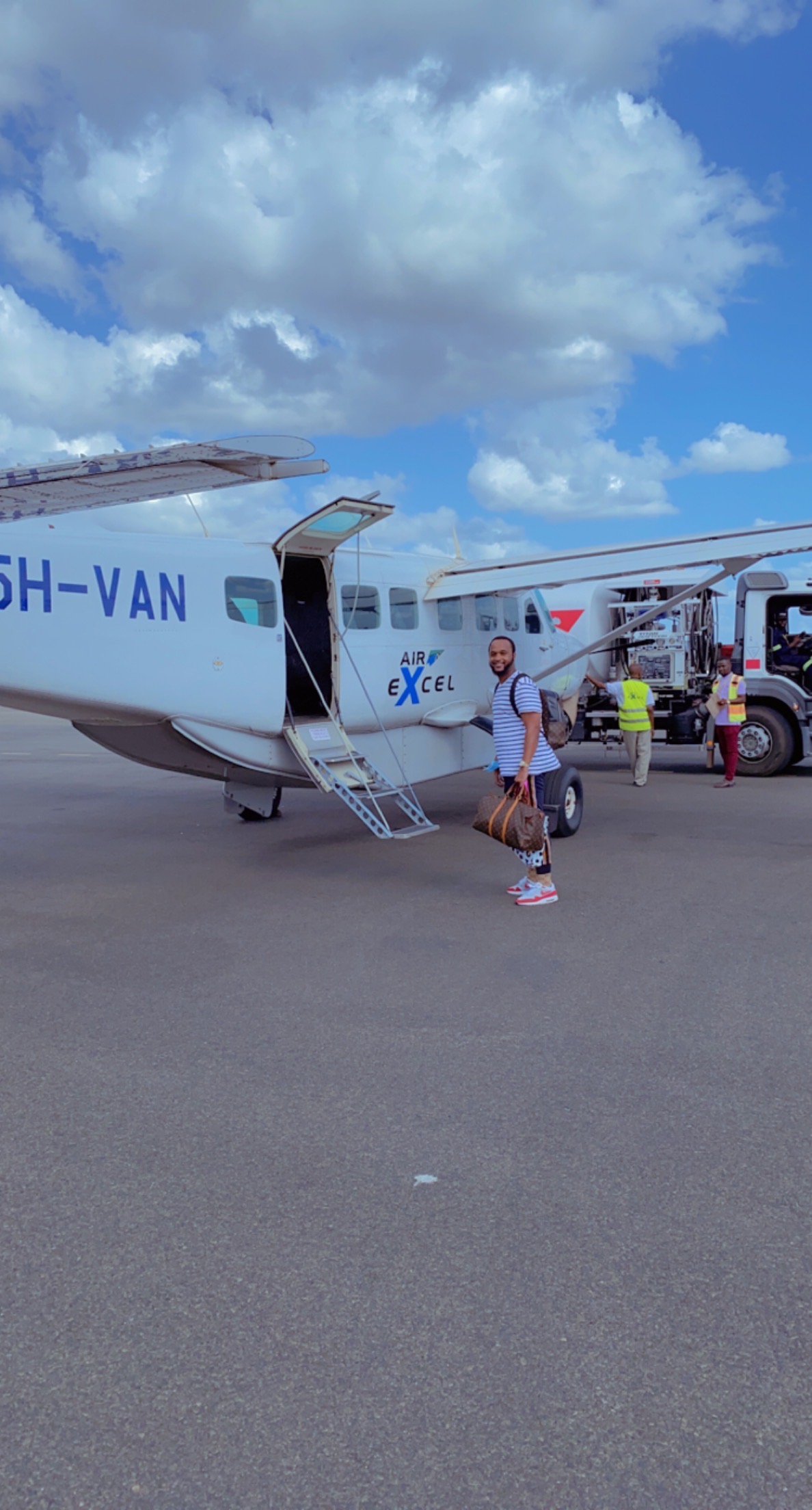
This is the heart of Tanzania, the business and onestop location for accessability thr renowned safari and Zanzibar island . for those who come for business and those who come for leisure both can be found in this beautiful city of Dar es salaam, Tanzania. Dar es Salaam hosted the headquarters of the Tanganyika African National Union (TANU), spearheading the drive to independence. It served as the capital of newly independent Tanganyika and later the United Republic of Tanzania until the government initiated a move to Dodoma in 1973. Today, it functions as the nation’s primary economic and cultural hub
HISTORY:
Founded in the 1860s by the Sultan of Zanzibar as Mzizima, Dar es Salaam became the capital of British Tanganyika after World War I. Under British administration, the city was racially segregated into specific zones and grew into the epicenter of the independence movement, remaining the capital even after Tanzania’s formation
The city consists of 5 municipalities, each managed by a Municipal Council that handles local planning, waste management, and public service delivery under the umbrella of the Dar es Salaam City Counc:
Ilala, Kinondoni, Temeke, Ubungo, and Kigambon.
CITY STRUCTURE:
· High-income & Expatriate: Found mostly in the northern Kinondoni district (e.g., Oyster Bay, Msasani Peninsula) and the newer developing coastal areas across the bridge in Kigamboni.
· Middle-class: Sprawling further inland and northward, including areas like Mbezi Beach, Mikocheni, and Mwenge.
· High-density & Informal Settlements: Found centrally (e.g., Kariakoo, Ilala) and stretching outwards into peripheral suburbs, driven by rapid urbanization
WHY DAR ES SALAAM AND WHY NOW:
1. Dar es Salaam is East Africa’s fastest-growing port city and an economic powerhouse. It acts as the vital trade gateway for landlocked neighbors like the Burundi, DRC and Zambia
2. High-demand coastal neighborhoods like
Masaki and Oyster Bay have experienced premium rental rate escalations of 15% to 20% due to an influx of expatriates and corporate expansions.
Join The Discussion