

By Jessica Kimei, Market Analyst
After three years operating in the real estate landlord and property management space, one truth has become very clear to me: your competitors are some of your greatest teachers—if you’re paying attention.
In real estate, especially within emerging markets like Tanzania, competition is not just about pricing or location. It’s about systems, mindset, execution, and how well you understand both tenants and landlords. Over the years, by observing other landlords, agents, and property managers—both successful and struggling—I’ve learned lessons that no textbook or seminar could fully teach.
Here are 10 key lessons your competitors will inevitably teach you in the landlord space, whether you like it or not.
1) SPEED BEATS PERFECTION
One of the biggest lessons competitors teach you is that the market rewards speed. I’ve seen landlords with average properties outperform better ones simply because they responded faster—faster to tenant inquiries, faster to repairs, faster to decision-making.
While some landlords overanalyze every detail, others move quickly, adapt, and win tenants. In real estate, delays cost money—vacancy days are silent losses.
Lesson: You don’t need to be perfect. You need to be responsive.

2) SYSTEM ALWAYS OUTPERFORMS TALENT
Some of the most profitable competitors I’ve seen are not the smartest or most experienced—but they are systemized. They have clear rent collection processes, maintenance workflows, tenant onboarding systems, and reporting structures.
On the other hand, talented landlords without systems burn out or plateau quickly.
Lesson: Build systems early. Systems scale; effort doesn’t.
3) TENANTS PAY BY EXPERIENCE AND NOT JUST SPACE
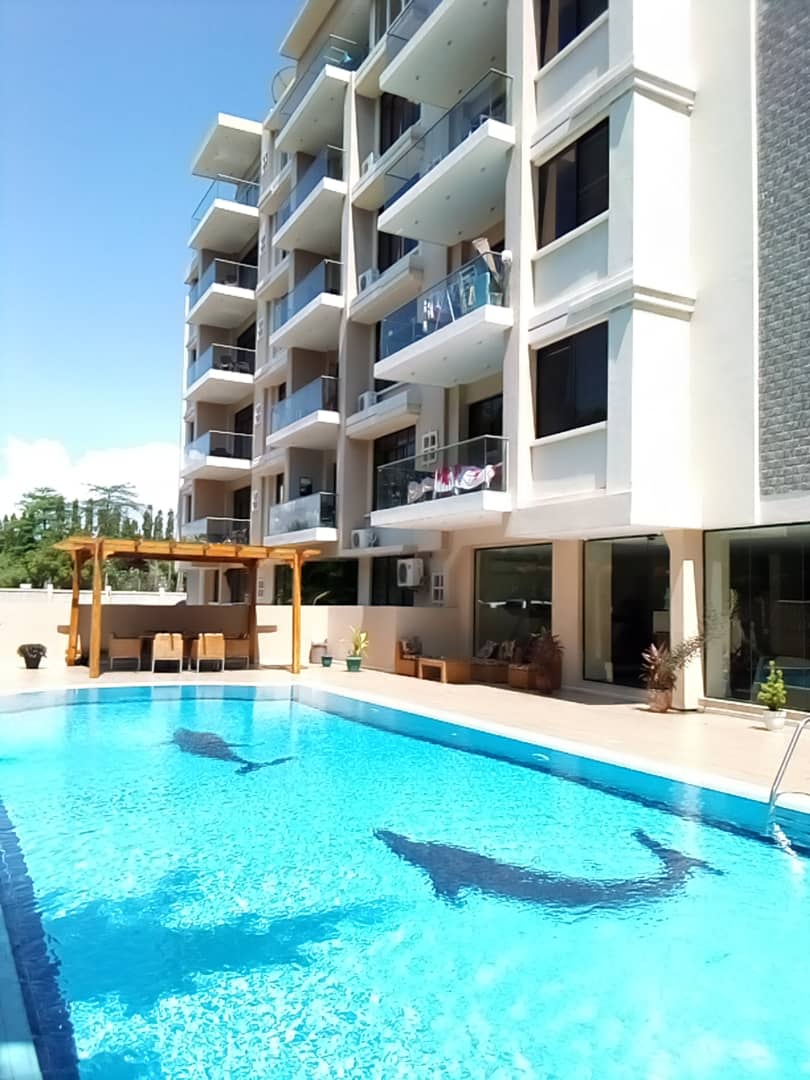
Your competitors will show you that tenants are not only renting walls—they’re renting peace of mind. Clean common areas, clear communication, professional handling of complaints, and predictable service make a huge difference.
I’ve seen tenants willingly pay higher rent to landlords who simply manage better.
Lesson: Experience is a product. Sell it intentionally.
4) PRICING IS STRATEGY NOT A GUESS
Competitors will teach you that rent pricing is not emotional—it’s strategic. Some landlords price too high out of ego and sit vacant. Others price smartly, maintain occupancy, and make more annually.
The best competitors study the market constantly and adjust without attachment.
Lesson: Cash flow loves accuracy, not pride.
5) POOR DOCUMENTATION IS A SILENT KILLER !
Nothing exposes weak competitors faster than disputes. Missing lease clauses, unclear agreements, and undocumented conversations eventually lead to losses.
Strong landlords document everything—from leases to inspections to notices.
Lesson: If it’s not written, it doesn’t exist.
6) MAINTENANCE IS NOT AN EXPENSE
Competitors who neglect maintenance lose quietly. Tenants talk. Word spreads. Vacancies increase.
Those who prioritize maintenance keep tenants longer, reduce turnover costs, and protect asset value.
Lesson: Maintenance is preventative profit.
7) RELATIONSHIPS OUTLAST TRANSACTIONS
The strongest competitors invest heavily in relationships—with tenants, contractors, brokers, and investors. These relationships reduce costs, speed up solutions, and unlock opportunities.
Real estate is a people business disguised as a property business.
Lesson: Your network is part of your balance sheet.
8) DATA ALWAYS WINS ARGUMENTS
Competitors who track vacancy rates, ROI, rental growth, and expenses make better decisions than those who rely on feelings.
Data removes emotion and clarifies strategy.
Lesson: What you don’t measure will control you.
9) LONG TERM THINKING IS CRITICAL
The final lesson competitors teach you is mindset. Short-term landlords chase quick rent. Long-term professionals build sustainable portfolios, brand trust, and predictable cash flow.
The most dangerous competitor is the one who thinks five years ahead.
Lesson: Real wealth in real estate is built patiently.
10) DIVERSIFICATION IS CRITICAL
One of the most valuable lessons I’ve learned from observing top competitors is this: they don’t put all their wealth in one basket—even when real estate is performing well.
While property remains a powerful asset for cash flow and capital growth, the smartest landlords intentionally balance their portfolios. Some reinvest rental income into stock market instruments, such as dividend-paying shares, bonds, or index funds. This creates liquidity, hedges against property market cycles, and provides income that doesn’t depend on occupancy or maintenance issues.
I’ve seen landlords struggle when all their capital is locked in property—unable to act when opportunities arise or when unexpected expenses hit. On the other hand, diversified competitors stay flexible, resilient, and confident during market shifts.
Lesson: Real estate builds wealth, but diversification protects it.
A balanced investor understands that stocks provide liquidity and scalability, while real estate offers stability and leverage. When combined intentionally, they create financial resilience and long-term peace of mind.

Final Thoughts
Competition in the landlord space should not intimidate you—it should educate you. Every competitor is a mirror showing you what works, what fails, and where you can improve.
After three years in the industry, I’ve learned that growth doesn’t come from copying competitors blindly, but from studying them intelligently and executing deliberately.
At 5Star Apartments, our mission remains clear: to help landlords and investors build sustainable cash flow, professional systems, and long-term independence through real estate.
If you’re willing to learn—even from your competitors—you’ll always stay ahead.
The most successful landlords don’t just manage buildings—they manage risk, cash flow, and opportunity across multiple asset classes
By Jessica E Kimei


Join The Discussion